Nipah Virus Alert: Why Asian Airports Are Screening Travelers After Two Cases in India
By The Roberts Editorial Team · January 29, 2026
A small cluster of Nipah virus infections in eastern India has triggered a familiar response across Asia: tighter airport health checks, rapid public updates, and renewed attention to a pathogen with a high fatality rate and no licensed vaccine. Officials in India say the situation is contained, but neighboring countries are moving fast to reduce the chance of imported cases.
What happened in West Bengal
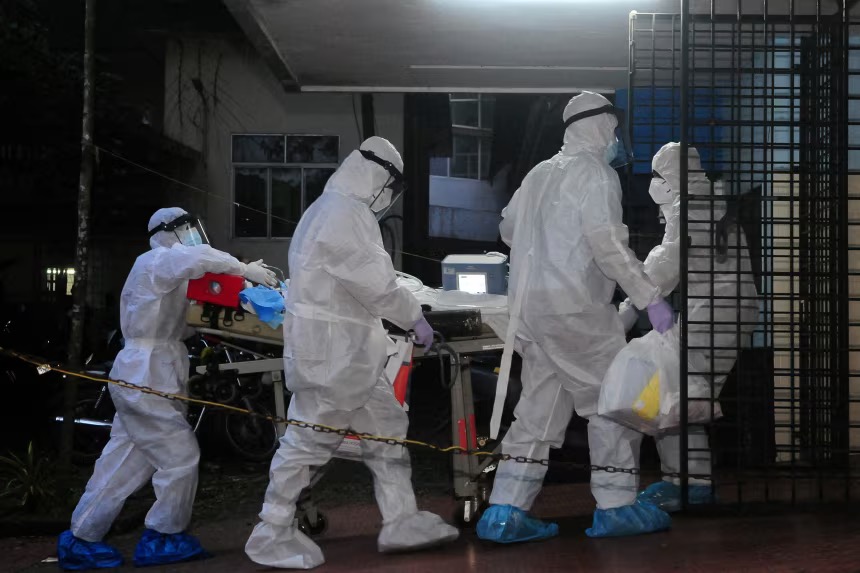
India confirmed two Nipah virus infections in January 2026 in the eastern state of West Bengal. The cases were linked to the same private hospital in Barasat (North 24 Parganas district), and both patients are healthcare workers. According to updates from health authorities, symptoms began in the last week of December 2025 and progressed quickly, including neurological complications.
The key public-health point is not only the diagnosis, but the response: contact tracing and testing were expanded rapidly. Indian officials reported 196 identified contacts; all were monitored and tested, and all were negative and asymptomatic. As of January 27, 2026, officials said no additional cases had been detected.
That combination (a small number of linked cases, aggressive tracing, and no further positives) is why multiple agencies describe the event as contained so far, even while maintaining close surveillance.
Why the reaction spread beyond India
Nipah virus is rare, but it carries a reputation that makes governments cautious. The World Health Organization estimates a case fatality rate of about 40% to 75%, and notes there is currently no licensed vaccine or specific curative treatment, with care focused on supportive management. The virus can spread from animals to humans, and in some circumstances can spread between people, typically through close contact and exposure to bodily fluids.
When a disease has a high severity profile and uncertain early signals, border health authorities tend to act early and scale down later. That “early friction, later adjustment” approach is exactly what played out this week as countries across South and Southeast Asia announced heightened screening measures for travelers arriving from India.
What airport screening looks like right now
The measures vary by country, but the playbook is consistent: temperature checks, health declarations, visual assessment for symptoms, and protocols for referral if a traveler appears ill. These are designed to reduce risk at the edges, not to imply widespread community transmission.
Singapore
Authorities announced temperature screening at the airport for flights arriving from areas associated with the reported infections, alongside coordination with regional counterparts to track developments.
Thailand
Measures include strengthened screening, health declarations, and operational steps such as designated parking bays for aircraft arriving from areas of concern.
Hong Kong and Malaysia
Officials described enhanced airport health measures, including temperature checks and strengthened monitoring for arrivals, plus readiness steps at points of entry.
Nepal and others in the region
Countries with high cross-border travel volumes signaled “high alert” approaches and reinforced screening capacity and public guidance for travelers.
A quick, clear refresher: what is Nipah virus
Nipah is a zoonotic virus, meaning it can jump from animals to humans. WHO identifies fruit bats (Pteropodidae) as the natural host. Human infection can range from mild or asymptomatic illness to severe respiratory disease and encephalitis (brain inflammation).
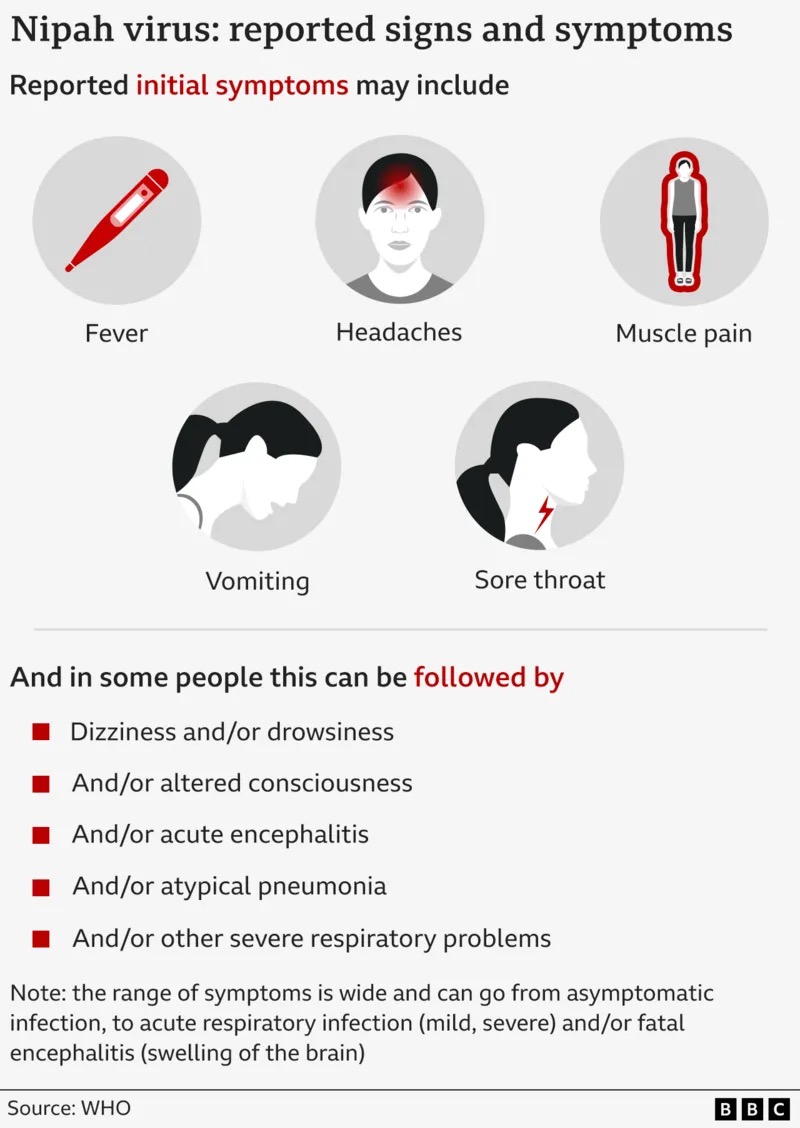
WHO also notes the incubation period is typically 3 to 14 days, with rare reports extending longer. Because early symptoms can resemble many common infections (fever, fatigue, headache, vomiting), public health relies on laboratory testing and careful contact tracing rather than symptom-checking alone.
What travelers should do (practical, non-alarmist)
If you are traveling in or near affected regions, the most useful step is to follow official guidance and avoid rumor-driven decisions. European public health guidance and WHO recommendations emphasize prevention behaviors that reduce exposure risk, especially around potential animal and food-related transmission.
- Follow local health updates and airport instructions, including completing health declarations if requested.
- Avoid consuming raw date palm sap and be cautious with foods that could be exposed to bats in endemic areas.
- Practice strong hand hygiene, and avoid close contact with anyone who is visibly ill.
- If you develop symptoms after travel, seek medical advice and share your travel history.
Note: This is general information based on public health guidance, not personal medical advice.
What businesses can learn from this moment
Even when an outbreak is contained, global attention can spike fast. That creates a communications challenge for airlines, hotels, travel companies, and any brand with customers moving across borders. The winners are usually not the loudest voices; they are the clearest and most consistent.
A simple crisis-communication checklist
- Lead with verified facts: dates, locations, and what authorities are doing. Avoid speculation.
- Separate risk from rumor: acknowledge uncertainty without amplifying unconfirmed numbers.
- Publish an update cadence: “We update this page daily at 9am ET” beats scattered posts.
- Make customer actions obvious: travel policies, support channels, refunds, and next steps.
- Keep tone calm: precision builds confidence; sensational language erodes it.